Lessons Learned

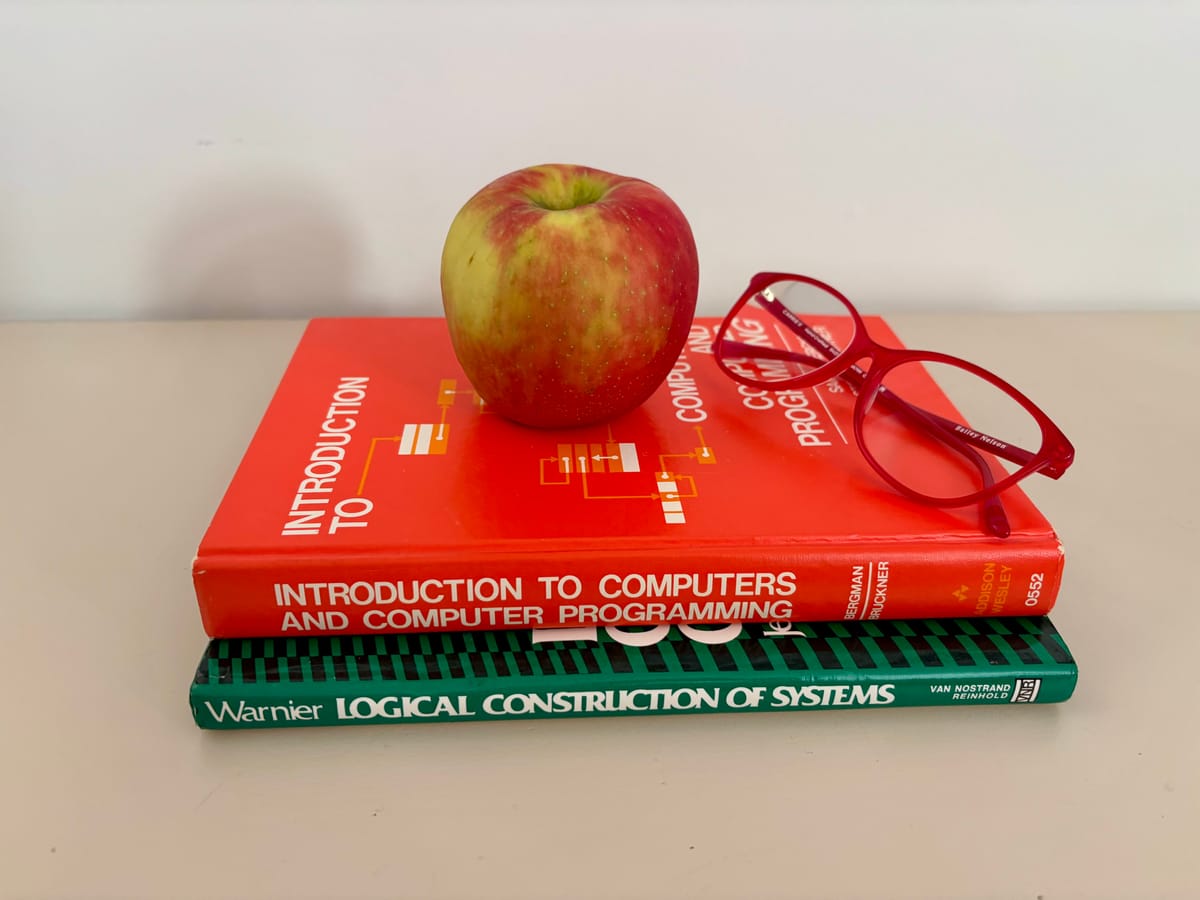
It was an angry mob that put the thought of teaching in my head. As a conflict averse introvert, this was an uprising I would rather have avoided. However, I agreed our teacher had gone too far. The college curriculum of our computer studies program was challenging enough without our instructor throwing in a grossly unfair mid-term. This prompted the march to the department head’s office, to report his underling and demand action. The outcome was a 30 percent bump to each of our exam marks, raising the class average on the mid-term from 30 to 60 percent. The incident made me think I could be a much better teacher than this guy who took pleasure in tricking us into doing our worst. In my young and naive mind, I imagined I could correct the injustices our instructor had inflicted upon us and I vowed to use my powers for good instead of evil.
Yet this new found interest in teaching baffled me. When considering what I wanted to be when I grew up, I dismissed the thought of becoming a teacher. I was certain my shy, unconfident self would be eaten alive in front of a classroom. Best stick to computer programming, a job where I could sit in a quiet corner writing code, enjoying the luxury of private attempts at perfection.
In 1979, after graduating from college at age 21, I started my dream job at Statistics Canada, using a leading-edge programming language other government departments were planning to adopt. It was a controversial plan in the industry, but having no stake in the past, I was excited to be at the front end of this evolution. Less than a year later, my alma mater posted an ad to teach this very programming language on a part-time basis. My first thought was my work experience might qualify me and perhaps it was my opportunity to explore teaching. My next thoughts were, if only I had teaching experience and if only standing and speaking in front of a room full of strangers didn’t paralyze me with fear. My fiancé encouraged me to apply, reminding me I had nothing to lose and, if nothing else, the interview would be good experience.
Much to my horror and disbelief, the department head asked me to come in for an interview. (I was thankful I’d been at the back of the mid-term exam complaint mob that had pounded on his door.) When he offered me the position a short while later, I assumed it was a cruel joke or a huge mistake. I was the person who never put my hand up in class, even though I knew the answer, broke out in a panicked sweat if the teacher called upon me, and would just skip lunch if it meant walking into the cafeteria without at least one friend by my side. Those fears followed me into my supposed grown-up life.
One of the many conversations I had with myself assured me knowledge of the material was not an issue, and it was only an introductory course, after all. These little talks were overshadowed by the bigger dilemma of how I was going to stand in front of a classroom of students whose employers had likely mandated their attendance, speak with credible intelligence, and refrain from throwing up or passing out. Perhaps this was my punishment for presuming I could do better than all the bad teachers from my past.
Before the semester started, at an orientation session for all continuing education instructors, I met a very kind and vibrant teaching veteran who told me teaching was a performing art. When I asked how he dealt with nerves, expecting he was long past this affliction but could perhaps recount some experiences from his early teaching days, he said, “When you stop being nervous, it means you don’t care, and it’s time to get out.”
On the dreaded first night of class, armed with his words of inspiration and my new briefcase filled with overhead transparencies and copious notes, I headed to the college. Walking down familiar halls, the vacant classrooms taunted me, daring me to be worthy of standing on the other side of the desks. The ledge where the boys sat and ogled the girls, the vending machines that dispensed lunch, and the computer lab where we pulled all-nighters, were sober reminders of how little time had passed since I’d walked the same halls as a student.
I was assigned a small theatre style classroom where all 30 students had a clear vantage point of their prey. I arrived early, giving ample time to unpack my briefcase, test the chalk and the overhead projector, and visit the bathroom multiple times, including one accidental, dazed foray into the luckily uninhabited men’s bathroom.
I was convinced my students would pick me out as an imposter in the first three minutes, walk out, and demand a refund. As they started arriving, their double takes did nothing to boost my confidence, nor did the cheeky young guy who said, “You’re the teacher?” They were all older than me, had impressive job titles, and their work experience far exceeded my meager one year entry level tenure.
Recalling the teaching veteran’s words and telling myself I was nervous because I cared, I started the performance. I created a more confident version of myself, raised my voice by a few decibels, and focused on a friendly face in the crowd. While I was most comfortable with my back to the class, it was a highly annoying trait of a guy on my bad teacher list, so it wasn’t an option. I was determined to honour my best teachers and nullify my worst.
Here I was, speaking in front of a room full of strangers, and to my complete dismay, they were taking notes. Nobody called me an imposter, I didn’t faint or throw up, and the men’s bathroom was safe again. My end of semester evaluations even earned me a teaching spot the following term.
Teaching became one of my great loves and it was a side gig throughout my long career. I never stopped being nervous, never stopped caring, and never stopped wondering when someone would call me out as an imposter and demand their money back.