Math Gone Bad

My identity was marked by good grades in school. I was the “brain” as the mean kids would chant when they wanted something to throw at me. My parents, Italian immigrants, expected me to do well and while they didn’t care if I was the best compared to other kids, they expected me to be the best I could be. And failure was not in the vocabulary. I came through for them and maintained my “brain” title to the end of high school, hoping my streak would continue through university.
Acceptance to my first choice of schools filled me with excitement and anticipation, even though (and perhaps because) it was 500 miles away from home. But I had no idea where to focus when it came time to choose my courses. I excelled at and had a passion for english and math and the discipline of computer science was emerging and appealing. Declaring a major in first year wasn’t required so I registered for all of those courses, ensuring I took the prerequisites in case I majored in math or english. Passing the entrance test for Honours Math, I was thrilled to be accepted into the Calculus and Algebra classes and looked forward to the challenge.
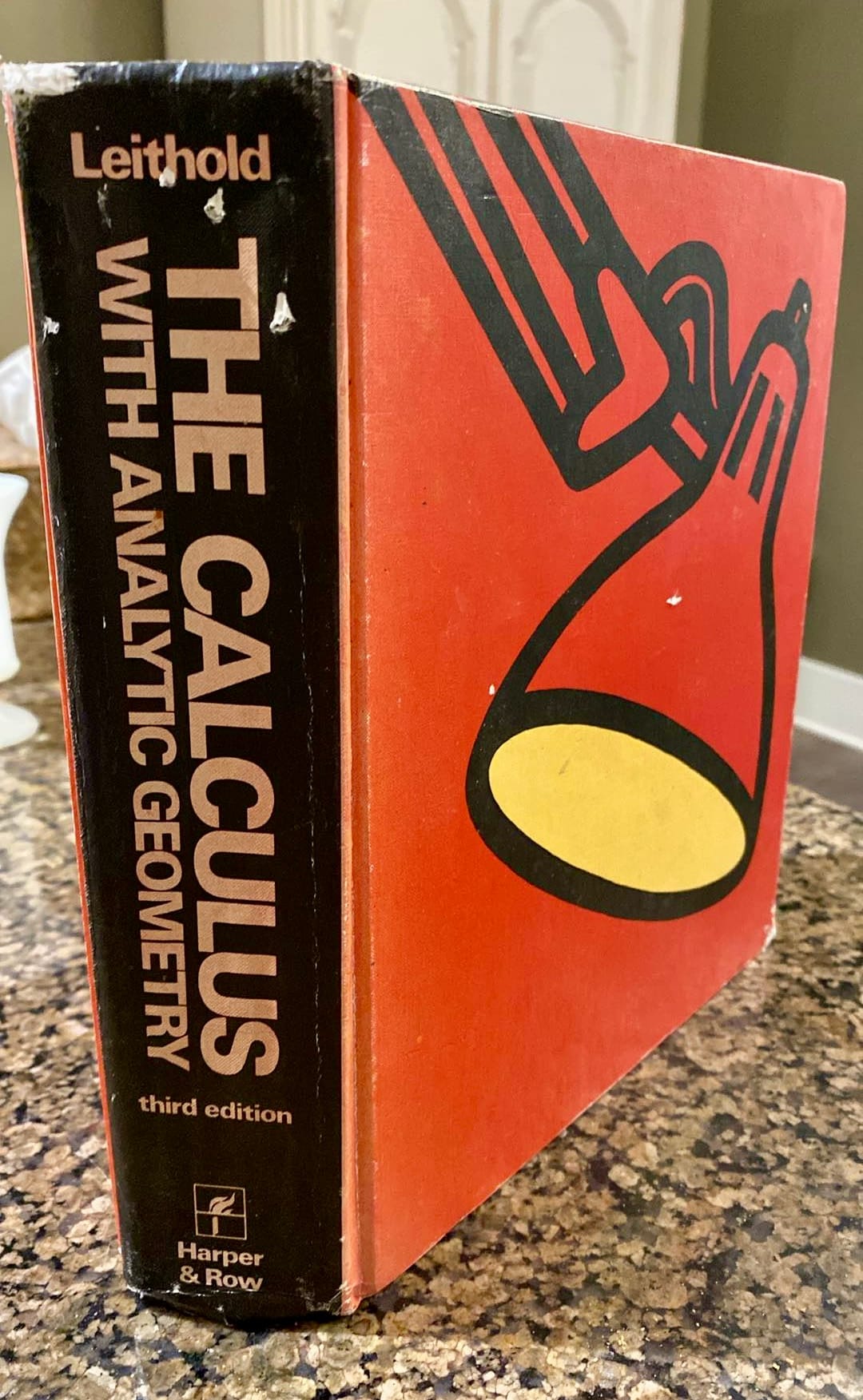
There were seventy-seven people in my math classes, all of them new to me. We commiserated and complained about the Calculus professor, who spent the whole class with his back to us, mumbling and writing formulas across four blackboards. As the semester progressed, I started falling behind in my math courses, struggling to get passing grades. I had gotten to know a few of my classmates but was too embarrassed to admit how much I was floundering. It seemed like they were managing, while I felt like I was drowning.
I tried to heed my parents’ advice and not compare myself to others, but even comparing myself to myself wasn’t yielding a good result. Failure was a new experience and I worried about letting my parents down while fighting a battle I had no idea how to win. Even though my other courses were going well, I couldn’t think past the end of the school year when the truth would come out about my math marks.
My dream of getting a University degree was fizzling out and I was at a personal low. The experience had robbed me of my identity as one of the brainy kids and made me question my worth. To make matters worse, I worried about my parents (a single-income family) managing the cost of tuition and housing for a daughter that would have nothing to show for it. I was anxious to put my year of hell behind me, immerse myself in something practical and marketable, and get myself a paying job in the real world. Computer Science and its job prospects in the late 1970’s appealed to me but those university programs needed first year math as a prerequisite.
My lifeline came midway through the second semester, in the form of Information Processing, a unique community college program in the same city as the university. The program was known for its excellent placement statistics and employers came on-site to recruit. It was geared to students who weren’t just out of high school and an in-person interview was required. If I went through with my plan, I’d only be twenty-one when I graduated so I could change direction again if necessary.
I never told my parents about my failing grades but told them I’d found a program that made more sense for me and wanted to switch to it in the fall. My dad, who always gave me much more credit than I deserved, said, “You know, your mother and I have very little formal education. We can’t advise you on this but I know you’ll make the right decision.”
Once I’d applied and been accepted to the college program and knew my parents supported my choice, I stopped going to my math classes, too defeated to even withdraw officially. By then, I knew I wasn’t pursuing the university route. I was barely averaging 40 percent in Calculus and not much better in Algebra so I couldn’t see the point of prolonging the torture. I was done feeling like a failure and armed with my dad’s vote of confidence, I focused instead on getting good grades in my other courses and especially my Computer Science course.
While the college program presented a challenging fast-paced and compressed curriculum, I excelled at the courses and started to regain my confidence. I still longed for a university degree but knew it had to wait. The on-site recruitment process resulted in two offers, and I was ecstatic to accept my dream job as a computer programmer at Statistics Canada.
A couple of years later, I ran into one of my university math classmates. I always considered her to be one of the brainy kids and while I’d gotten to know her a bit, we’d lost touch. I was surprised when she asked, “Did you graduate from Honours Math?” I told her my story, the sting of failure still close to the surface. She said, “Well, out of the seventy-seven first year students, only four graduated. I wasn’t one of them.” When I confessed my average, she said, “You were doing well compared to most. I wasn’t far ahead of you and they likely would have bell-curved us enough to pass.”
My emotions were a mix of shock and validation. Who knows what would have happened if I hadn’t been too ashamed to share my struggles with my classmates? Perhaps they’d have shared their challenges and I would have stuck with it and completed university (in a major other than math). But I might not have pursued the college program that resulted in my dream job and launched a long career I was fortunate to enjoy. And timing is everything. If I’d continued, I would have graduated university in the middle of a recession so what would my job prospects have been?
While my parents were right about comparing myself to myself and not to others, they were also right about something else - their humbling belief that as terrified and beaten down as I felt, I was strong enough and smart enough to switch direction and choose the path I thought made sense for me. Perhaps being a “brain” meant more than just good grades.