White Wine Gone Rogue

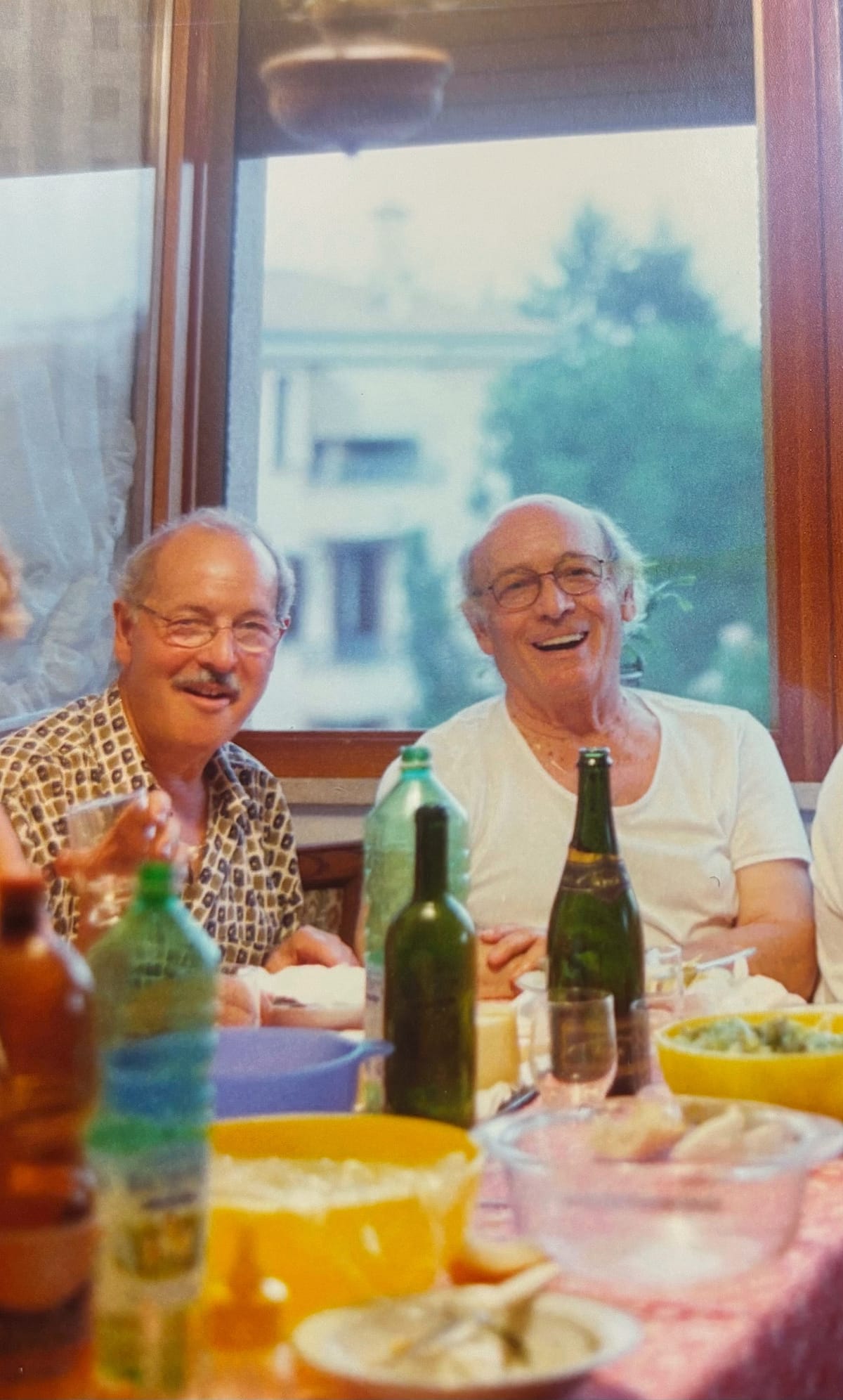
While on a family vacation in Italy, I listened to my Uncle Angelo and Uncle Leo discuss one of their favourite topics – wine. They were born in Southern Italy but Angelo settled in Motta di Livenza, a small town near Venice, where he was chief of police for many years. His younger brother, Leopoldo, moved to Canada when he was eighteen, but visited his homeland often. The two couldn’t look more physically different but what they had in common was their quirky sense of humour, fierce commitment to family, and mad love of wine. Good wine, that is. It didn’t have to be expensive, but it had to honour the palate they’d honed since childhood.
It wasn’t uncommon to find the two grown men huddled in a corner, wine glass in hand, speaking the dialect of their youth, and giggling at some private joke or childhood memory they’d recounted for the hundredth time.
“Remember mamma’s reaction when she saw you-know-who coming down the lane? She wrung her hands in her apron, lamenting how she didn’t have time for his endless chatter, but as soon as he spotted her she screamed with joy and put the espresso pot on.” The brothers mimicked my grandmother’s high-pitched squeal with scary perfection.
Faced with a two-week stay in their picturesque hometown built on the side of a mountain in rural Calabria, they relished the thought of returning to their roots. Uncle Angelo, always dressed for business in Motta, where he was well-known even after he retired from policing, shed his professional persona and rarely wore a shirt or shoes at his childhood home. What he didn’t relish was the white wine. Every day of our visit leading up to the trip south, he declared that while the red wine was acceptable, there was no decent white wine in Calabria.
“But what about the wine?” he moaned. “We’re staying in the south for two weeks and I’m not drinking that stuff they call white wine.”
Desperation drove him to the brilliant solution of shipping two forty-litre metal casks, by train, timed to arrive in Calabria the day after we got there. The wine purchased, packaged, and dispatched from nearby San Doná di Piave station, he rested easy knowing he wouldn’t have to compromise his principles or his taste buds.
As we journeyed south, Uncle Angelo tingled with excitement in anticipation of his beloved wine’s arrival.
“Don’t worry. You didn’t come all the way from Canada to drink garbage wine. I’ll take care of you,” he assured his brother.
We settled into my late grandparents’ old home and looked forward to enjoying the August warmth of Southern Italy, reconnecting with family and friends, and sampling the crusty bread and sweet tomato sauces of Calabria. Red wine was plentiful and the uncles enjoyed it with pleasure, but they refused to drink the white, holding out instead for the casks scheduled to arrive the next day. Except they didn’t.
One more day passed before Uncle Angelo started making inquiries. He phoned the shipping company, who passed him off to the train station in San Doná di Piave, who directed him to Paola where the wine was to arrive. The wine’s whereabouts were unknown. He called again the following day and the day after that. He mustered all the diplomacy he could and when that didn’t work, he stepped up the volume and tone of his voice. My uncle, despite his jovial nature, wore his police chief’s authority on the outside and was a force even before he opened his mouth to speak. And he was not a patient man. I pitied the people on the receiving end of those calls.
He repeated the litany every day and, compounded with his extreme thirst, he worried about the conditions his wine was exposed to on its slow journey through the hot Italian countryside. The wine became like a missing relative, with a spot set at the table in case it showed up after all. Uncle Leo, less particular about the wine, but content to be complicit in his big brother’s whimsy, teased Uncle Angelo and created possible scenarios about the mysterious whereabouts of the two metal casks.
“Angelo, imagine the railway workers. They’re inventing excuses to go to the cargo car. By the end of their shift, they aren’t even bothering to check tickets, and the dining car can’t understand why they keep running out of plastic cups.”
It got to the point where everyone in the house could imitate Uncle Angelo’s calls. We didn’t dare do it in front of him, though. None of us were that stupid.
“Good morning. I shipped two casks of wine from San Doná di Piave to Paola on August 1st. I was promised receipt within two days. How is it possible they haven’t arrived?” After a brief pause, he gave his name and then we held our breath as his eyes bulged. “No! I will not check with every train station in the country and yes, I called Paola. If they were there, why would I be calling you?”
Variations of this conversation continued for ten days until Uncle Angelo received the call. The wayward wine had arrived. We breathed a sigh of relief. The brothers drove about an hour north to the coastal town of Paola to retrieve it, eager for their first taste of the delicate white wine that had gone on a rogue journey through Italy. Wine glasses at the ready, with the casks propped up on old milk crates in the gravel clearing outside the kitchen door, we watched as they broke the seal and poured. They grimaced, puckered, and sputtered. It was no surprise that while the wine may have had a great adventure, it hadn’t weathered it well. The brothers didn’t know whether to laugh or cry but the rest of us couldn’t hold back our laughter any longer.
After we got home to Canada, I suggested we reenact the daily phone calls and capture them on video. I nominated Uncle Leo to play the role of his brother. Fits of laughter hampered our initial efforts but Uncle Leo managed to get through the script and do a convincing job of imitating the rants. We sent the video to Uncle Angelo, thinking he’d laugh along with us. He did not.
It was a sobering reminder that even though Uncle Angelo searched for excuses to have a good chuckle, his pursuit of good wine was not a laughing matter. Perhaps it was too soon and he was still too thirsty.